In the current era, maintaining cleanliness in commercial spaces has taken on heightened significance. The COVID-19 pandemic has underscored the critical need for rigorous janitorial cleaning and disinfection protocols. These protocols are not merely about appearance but are vital for health, safety, and operational continuity.
Why Disinfection Protocols Matter
- Health and Safety
-
Primary Defense Against Pathogens: Disinfection protocols are essential in preventing the spread of viruses, bacteria, and other pathogens. Regular disinfection reduces the risk of illnesses, creating a safer environment for employees, customers, and visitors.
-
Compliance with Health Regulations: Adhering to disinfection protocols ensures compliance with local, state, and federal health regulations. Non-compliance can result in fines, legal liabilities, and damage to your business’s reputation.
-
- Business Continuity
-
Minimizing Sick Days: A clean and disinfected workplace reduces the likelihood of contagious illnesses spreading, which can lead to fewer sick days and higher productivity.
-
Maintaining Operations:Regular disinfection helps in maintaining business operations during outbreaks. It ensures that your commercial space remains safe and open, avoiding disruptions.
-
- Customer Confidence
-
Building Trust: Customers are more likely to frequent businesses that visibly prioritize cleanliness and hygiene. Effective disinfection protocols enhance customer confidence and trust.
-
Positive Brand Image: A commitment to cleanliness reflects positively on your brand, portraying it as responsible and customer-focused.
-
Why Disinfection Protocols Matter
- Enhanced Air Quality
Proper disinfection, particularly of HVAC systems and high-traffic areas, improves indoor air quality. This is crucial for preventing respiratory issues and ensuring a healthier environment. - Extended Lifespan of Assets
Regular disinfection protocols protect surfaces and equipment from damage. This maintenance extends the lifespan of your assets, resulting in long-term cost savings. - Psychological Comfort
A visibly clean and disinfected environment provides psychological comfort to employees and customers. It fosters a sense of well-being and security, enhancing overall satisfaction.
Best Practices for Implementing Disinfection Protocols
- Comprehensive Cleaning Schedule
-
Develop a Detailed Plan: Create a cleaning schedule that outlines daily, weekly, and monthly disinfection tasks. This schedule should cover all areas of the facility, with special attention to high-touch surfaces.
-
Use a Checklist: Implement checklists to ensure that no areas are overlooked. Checklists help maintain consistency and accountability.
-
- Use of EPA-Approved Disinfectants
-
Select the Right Products: Use EPA-approved disinfectants that are effective against a broad spectrum of pathogens. Ensure these products are safe for the surfaces they are used on.
-
Follow Manufacturer Instructions: Adhere to the manufacturer’s guidelines for dilution, application, and contact time to ensure maximum efficacy.
-
- Training and Education
-
Employee Training: Provide comprehensive training to janitorial staff on proper disinfection techniques. This includes the correct use of disinfectants, personal protective equipment (PPE), and safe handling procedures.
-
Ongoing Education:Keep staff updated on the latest disinfection protocols and emerging threats. Continuous education ensures that your team remains knowledgeable and effective.
-
- Focus on High-Touch Areas
-
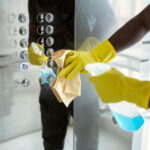
Identify High-Touch Points: Common high-touch areas include door handles, light switches, elevator buttons, and communal spaces. These should be disinfected multiple times throughout the day.
-
Use of Technology: Consider incorporating technology such as UV-C light devices and electrostatic sprayers to enhance the effectiveness of disinfection in high-touch areas.
-
- Regular Monitoring and Audits
-
Conduct Audits: Regularly audit disinfection practices to ensure compliance and effectiveness. Audits help identify gaps and areas for improvement.
-
Feedback Mechanism:Establish a feedback mechanism for employees and customers to report cleanliness concerns. This promotes transparency and continuous improvement.
-
Conclusion
In conclusion, effective disinfection protocols are indispensable for maintaining a healthy, safe, and operational commercial space. They enhance health and safety, ensure business continuity, and build customer confidence. By implementing best practices such as comprehensive cleaning schedules, using EPA-approved disinfectants, providing ongoing training, focusing on high-touch areas, and conducting regular audits, businesses can maximize the benefits of their janitorial cleaning efforts.
A commitment to rigorous disinfection protocols not only protects your business and its occupants but also fosters a positive and trustworthy brand image. In an ever-evolving landscape, prioritizing cleanliness and hygiene is more important than ever.